
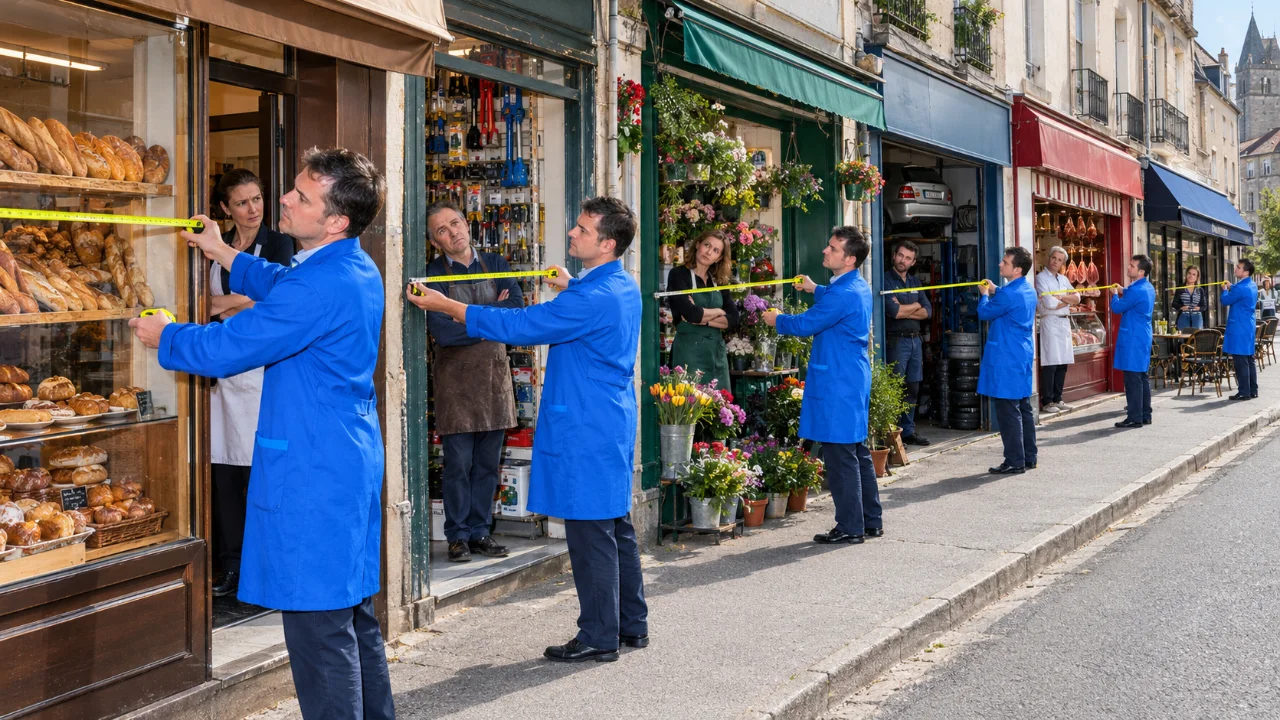
What if every store could have its own adverts, featuring its products, offers and even its staff? Thanks to generative AI, The Ramp is making this possible at scale.
The “Local Lift”: proximity as a driver of preference and performance
In France, the 366 × Kantar study (2026) supports this trend: 59% of consumers feel closer to a brand that communicates locally, and 55% say they are more likely to buy from it.
That proximity may also translate into commercial results: according to a figure attributed to Kantar, in-store conversion rises by 15% when digital advertising is personalised for the nearest store.
The message is clear: geographic proximity alone is no longer enough. Brands also need to personalise their messages, visuals and content.
That is precisely The Ramp’s ambition: to combine generative AI, local data and media activation so that every store can have creative content that reflects its identity.
Opel: one national influencer campaign, 150 local videos
To promote the Opel Grandland, The Ramp combined influencer content, AI and multi-location media activation.
Starting with a video featuring automotive influencer Le Vendeur Automobile, our AI Creative Studio generated 150 personalised videos. Each included an audio message tailored to the dealership, using an AI reproduction of the influencer’s voice with his permission.
The result: 55 dealerships activated on Meta, with campaigns targeted around each location.
A single national production thus became a series of local messages, without the need for multiple shoots.
This approach won two awards at the Cas d’OR Digilocales 2026, including the Innovation Award.
Brico Dépôt: turning product feeds into advertising creative
With Brico Dépôt, creative personalisation draws on another valuable resource: product data.
Using our AI Retail Factory, product feeds can drive the creation of contextualised adverts.
A barbecue appears on a furnished terrace, a drill is shown in use, and a bathroom cabinet is placed in a contemporary interior.
AI makes it possible to show products in context, automatically include commercial information and adapt creative assets to different advertising formats.
The product catalogue becomes a creative engine capable of supporting campaigns at scale.
